Charcoal toothpaste has taken the oral care world by storm. You’ve probably seen it in stores or online, boasting promises of brighter, whiter teeth thanks to the power of activated charcoal. But does it actually live up to the hype, or is it just another trendy product with little substance? Let’s dig into what charcoal toothpaste is, how it works, and whether it’s a smart choice for whitening your smile.
What Is Charcoal Toothpaste?
Charcoal toothpaste is a type of toothpaste that contains activated charcoal as one of its main ingredients. Activated charcoal is a form of carbon processed to have small, low-volume pores that increase its surface area. This porous structure is what gives it its ability to absorb substances.
In oral care, activated charcoal is claimed to bind to stains and toxins on the teeth and gums, helping to remove them and leave the mouth feeling cleaner. The idea is that it can lift surface stains caused by coffee, tea, wine, or smoking, giving teeth a visibly whiter appearance. Many users report a refreshing sensation after brushing with charcoal toothpaste, as it often contains additional natural ingredients like peppermint oil, which can enhance breath freshness.
Activated Charcoal vs. Regular Charcoal
It’s important to understand that activated charcoal isn’t the same as the charcoal you might use for grilling. Activated charcoal undergoes a special process that makes it more porous and able to trap chemicals and impurities. This is why it’s used in various health and beauty products, including toothpaste. Unlike regular charcoal, which can contain harmful additives and is not safe for consumption, activated charcoal is purified and safe for use in oral hygiene.
Moreover, the use of activated charcoal in dental care has sparked a growing interest among consumers looking for natural alternatives to traditional oral hygiene products. Many brands have begun to incorporate this ingredient into their formulations, often touting its natural origins and eco-friendly appeal. However, while some users swear by its effectiveness, dental professionals advise caution, as the abrasiveness of charcoal can potentially wear down enamel if used excessively. Therefore, it is crucial to balance its use with regular dental check-ups and to consider the recommendations of dental care experts such as those at Blue Tooth Dental Newtown for a stress-free and comfortable dental experience, which you can learn more about through the following link: https://google.com/maps/place/?cid=15 Your smile and well-being are their primary concerns.
How Does Charcoal Toothpaste Claim to Whiten Teeth?
The whitening effect of charcoal toothpaste primarily comes from its abrasive and adsorptive properties. Activated charcoal can adsorb (not absorb) pigments and particles that cause discoloration on the surface of teeth.
When you brush with charcoal toothpaste, the tiny charcoal particles are supposed to latch onto stains and help lift them away. Additionally, the mild abrasiveness of charcoal can scrub the enamel, removing surface stains and polishing teeth.
Surface Stains vs. Deep Stains
It’s crucial to note that charcoal toothpaste mainly targets surface stains. These are the stains that sit on the outer layer of the enamel and are caused by everyday factors like food, drinks, and smoking. However, it does not change the natural color of your teeth or remove deeper stains that reside within the tooth enamel or dentin.
Surface stains can often be attributed to common culprits such as coffee, tea, red wine, and certain fruits. These substances contain chromogens, which are intensely pigmented molecules that can adhere to dental enamel. While charcoal toothpaste can effectively reduce the visibility of these stains, it’s important to maintain a consistent oral hygiene routine, including regular brushing and flossing, to prevent new stains from forming. Moreover, some users may find that the texture of charcoal toothpaste provides a unique brushing experience, which can be appealing to those looking for an alternative to traditional whitening products.
In contrast, deep stains are often the result of factors such as aging, certain medications, or excessive fluoride exposure during childhood. These stains are embedded within the tooth structure and typically require professional dental treatments, such as bleaching or veneers, for effective removal. While charcoal toothpaste may not be a solution for deep discoloration, its popularity continues to rise, with many users enjoying the natural ingredients and the potential for a brighter smile as part of their daily routine.
What Does the Science Say?
Scientific research on charcoal toothpaste is still limited, but some studies have started to shed light on its effectiveness and safety.
A few small-scale studies suggest that charcoal toothpaste can remove surface stains to some extent, but it doesn’t outperform traditional whitening toothpastes or professional dental treatments. One study found that while charcoal toothpaste was effective in removing extrinsic stains, it was also more abrasive than regular toothpaste, which could potentially damage enamel over time.
Risks of Abrasiveness
Enamel is the hard, protective outer layer of your teeth, but it’s not invincible. Overly abrasive toothpastes can wear down enamel, leading to increased sensitivity and a higher risk of cavities. Some charcoal toothpastes have a higher Relative Dentin Abrasivity (RDA) score compared to regular toothpaste, which means they can be rougher on your teeth.
Using charcoal toothpaste too often or brushing too aggressively could accelerate enamel erosion. This is a concern because enamel doesn’t regenerate once it’s gone. Additionally, the long-term effects of using charcoal toothpaste remain largely unknown, as most studies have focused on short-term outcomes. Therefore, it’s crucial for consumers to weigh the potential risks against the benefits and consider consulting with a dental professional before making a switch to charcoal-based products.
Potential Gum Irritation
Charcoal particles can be gritty. For some people, this may cause gum irritation or discomfort, especially if they have sensitive gums or existing gum issues. It’s always wise to monitor how your mouth feels when trying a new product and stop if you notice any adverse reactions.
Moreover, the gritty texture of charcoal can lead to a more abrasive brushing experience, which might exacerbate existing dental problems. Individuals with periodontal disease or other gum conditions should exercise caution, as the added friction could worsen inflammation or contribute to further gum recession. It’s essential to choose oral care products that align with your specific dental needs, and always consider the recommendations of dental professionals who can provide personalized advice based on your oral health history.
Comparing Charcoal Toothpaste to Other Whitening Methods
When it comes to whitening teeth, there are several options available, each with its own pros and cons. Understanding how charcoal toothpaste stacks up against these can help you make an informed choice.
Whitening Toothpaste with Peroxide
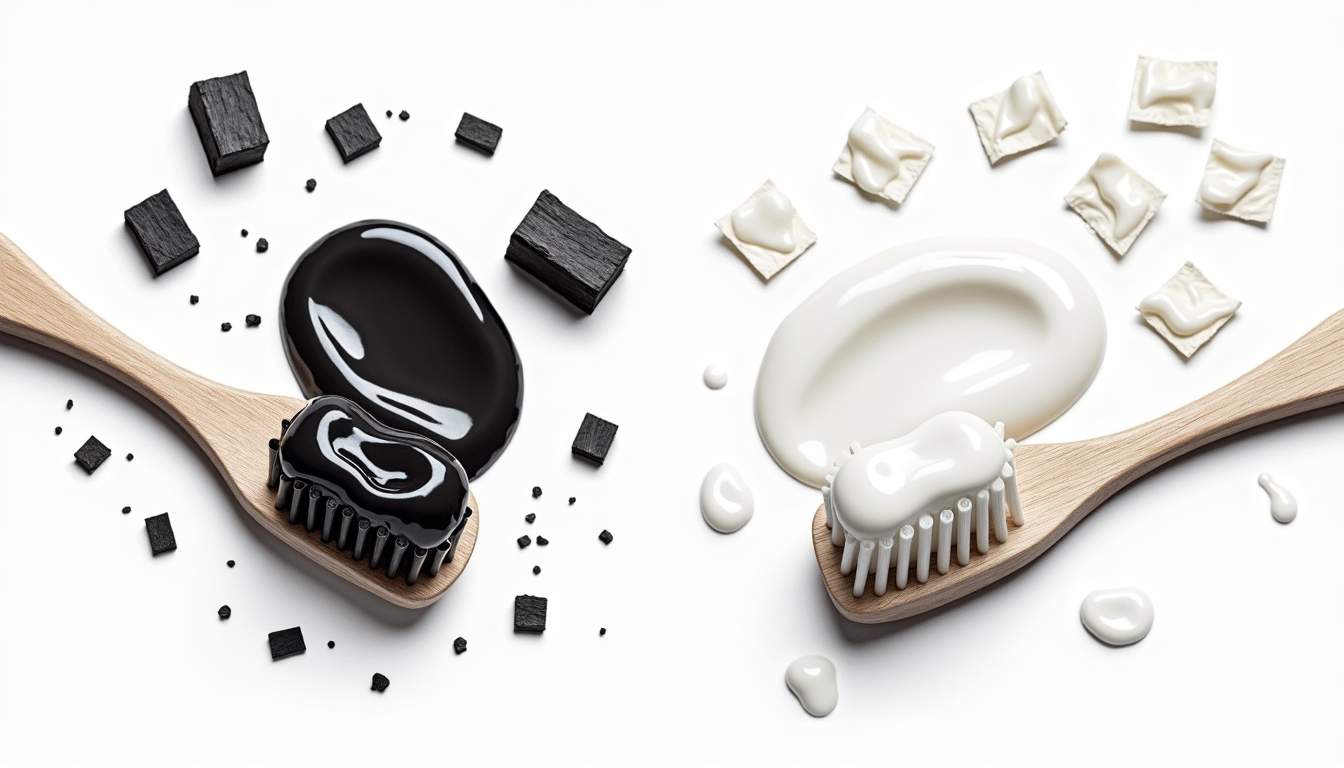
Many whitening toothpastes contain mild bleaching agents like hydrogen peroxide or carbamide peroxide. These ingredients can penetrate the enamel and break down deeper stains, offering more noticeable whitening results over time.
Unlike charcoal toothpaste, peroxide-based products chemically whiten teeth rather than just removing surface stains. However, they may cause sensitivity in some users.
Professional Whitening Treatments
Dentists offer whitening treatments that use stronger bleaching agents and specialized equipment. These treatments can significantly brighten teeth in a short period and are generally safe when done under professional supervision.
While charcoal toothpaste might help maintain a brighter smile between treatments, it won’t replace the results of professional whitening.
Natural Alternatives
Some people turn to natural remedies like baking soda, oil pulling, or fruit enzymes to whiten teeth. Baking soda is mildly abrasive and can remove surface stains, somewhat similar to charcoal. However, natural methods vary in effectiveness and safety, and it’s important to use them cautiously.
How to Use Charcoal Toothpaste Safely
If you decide to try charcoal toothpaste, there are some best practices to keep in mind to protect your teeth and gums.
Use It Sparingly
Because of its abrasiveness, it’s best not to use charcoal toothpaste every day. Limiting use to a few times a week can help reduce the risk of enamel wear.
Brush Gently
Use a soft-bristled toothbrush and gentle brushing motions. Avoid scrubbing hard, which can damage enamel and irritate gums.
Watch for Sensitivity or Irritation
If you notice increased tooth sensitivity, gum soreness, or any unusual symptoms, discontinue use and consult your dentist.
Combine with Regular Oral Hygiene
Charcoal toothpaste shouldn’t replace your regular fluoride toothpaste. Fluoride is essential for strengthening enamel and preventing cavities. Consider using charcoal toothpaste as a supplement rather than a replacement.
What Dentists Say About Charcoal Toothpaste
Many dental professionals approach charcoal toothpaste with caution. While acknowledging its ability to remove surface stains, they often warn about the potential risks of enamel erosion and gum irritation.
Most dentists recommend sticking to proven whitening methods and using charcoal toothpaste only occasionally, if at all. They stress that maintaining good oral hygiene, regular dental checkups, and avoiding stain-causing habits are the best ways to keep your smile bright.
Consult Your Dentist First
Before adding charcoal toothpaste to your routine, it’s a good idea to talk to your dentist. They can assess your oral health and advise whether charcoal toothpaste is suitable for you or if other whitening options might be better.
Final Thoughts
Charcoal toothpaste can help remove some surface stains and might make your teeth look a bit brighter in the short term. However, it’s not a miracle whitening product, and it won’t change the natural color of your teeth or tackle deeper discoloration.
Its abrasive nature means it should be used cautiously and not as a daily toothpaste replacement. For lasting, noticeable whitening results, professional treatments or peroxide-based whitening toothpastes are more reliable options.
Ultimately, the best way to keep your teeth white is to practice good oral hygiene, avoid excessive consumption of staining foods and drinks, and visit your dentist regularly. If you’re curious about charcoal toothpaste, try it carefully and pay attention to how your teeth and gums respond.